Most toolbox talks are forgotten before lunch. A supervisor reads from a printed sheet, workers nod along, and nothing changes. That’s not safety—it’s compliance theater. A true example of a toolbox talk should spark awareness, invite input, and lead to actionable change. The difference lies in structure, relevance, and delivery.
A strong toolbox talk isn’t a monologue. It’s a focused safety conversation—brief, timely, and tied directly to the work happening that day. Whether you’re on a construction site, in a warehouse, or managing field technicians, the right example of a toolbox talk turns routine into results.
Let’s break down what makes a toolbox talk effective—and provide a real-world example you can adapt and use immediately.
What Makes a Good Toolbox Talk?
A successful toolbox talk checks three boxes: relevance, interaction, and action.
Relevance means the topic connects directly to the current job, environment, or hazard. Talking about fall protection on a ground-level electrical install won’t resonate. But discussing overhead risks during roof work? That sticks.
Interaction turns passive listeners into active participants. Ask open-ended questions: “Have you seen anything unsafe near the scaffold this week?” or “What would you do if you noticed damaged PPE?” Engagement increases retention.
Action ensures the conversation leads to change. Maybe it’s inspecting ladders before use, re-securing a guardrail, or reporting a near-miss. If nothing changes after the talk, it didn’t work.
Too many toolbox talks fail because they’re generic, rushed, or delivered without eye contact. The best ones feel personal—like a safety huddle before a big play.
A Real Example of Toolbox Talk: Roofing Work at Height
Here’s a full example of a toolbox talk that follows best practices. Use this as a template for high-risk tasks.
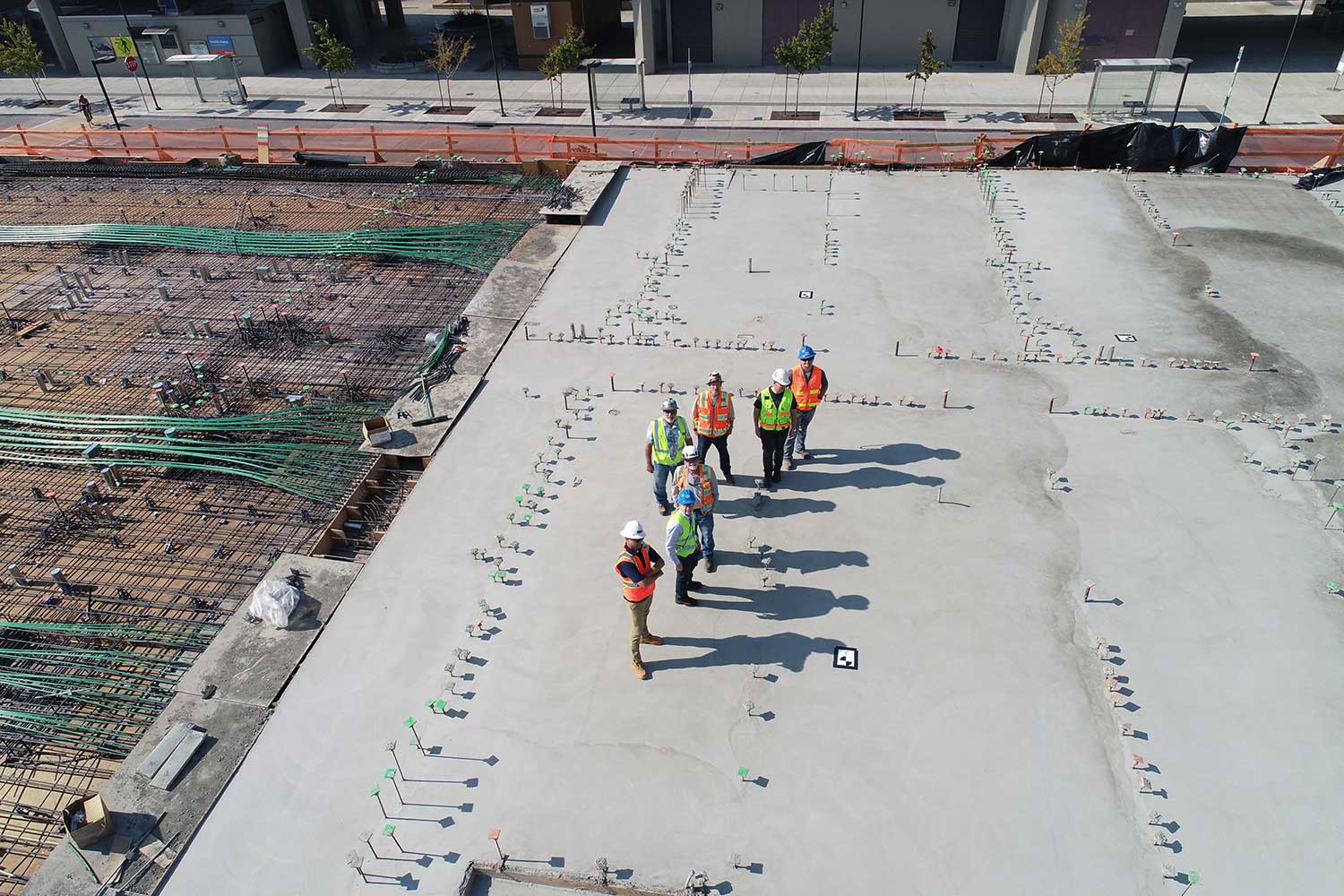
Topic: Working at Height – Fall Protection on Roof Edges Duration: 10 minutes Location: Roof access point, morning shift start Team: 6 roofers, 1 supervisor
Opening (1 min) “Morning team. Today we’re finishing the north-side roofing. We’re above 16 feet here, and two guys will be near the edge within 6 feet. Let’s talk about how we keep everyone on the ground—safely.”
Hazard Review (3 min)
- Falling from height: Leading cause of death in construction. One slip, and it’s over.
- Unprotected edges: We’ve seen temporary guardrails come loose after high winds.
- Improper harness use: Some workers clip off to weak anchors or leave D-rings unfastened.
- Weather: Wind gusts yesterday reached 25 mph—could affect balance today.
Discussion Questions (3 min)
- “Has anyone noticed loose rails or weak anchor points since yesterday?”
- “When was the last time you inspected your harness and lanyard?”
- “If you’re working near the edge and feel unstable, what’s your move?”
- “Who’s responsible for checking fall protection before we start?”
(Team responds: One worker reports a wobbly rail near the west corner. Supervisor confirms it will be secured before work begins.)
Action Plan (2 min)
- Inspect all harnesses and lanyards before climbing.
- Reinforce the loose guardrail—assign two workers to handle it now.
- Use dual-lanyard system when moving near the edge.
- Buddy check: Pair up to verify PPE and anchor points.
- Stop work if wind exceeds 30 mph.
Closing “Stay sharp out there. Look out for each other. If something feels off, call it. Safety isn’t a checklist—it’s how we get home.”
This example of a toolbox talk works because it’s timely, interactive, and tied to a specific task. It doesn’t just inform—it triggers action.
Common Mistakes That Undermine Toolbox Talks
Even with good intentions, many safety briefings fall short. Here are the most damaging mistakes—and how to fix them.
1. Using the Same Topic for Weeks Repeating “PPE basics” every Monday bores teams and breeds complacency. Rotate topics based on current work: trenching, lockout/tagout, material handling.
2. Skipping Worker Input If only the supervisor talks, you lose half the value. Workers on the ground see hazards you don’t. Invite their input—every time.
3. Talking About Hypotheticals Don’t say, “What if a ladder slips?” Say, “This ladder here—has anyone checked its feet?” Make it real.
4. No Follow-Up If a hazard is reported but never addressed, trust erodes. Document concerns and close the loop: “We checked the hydraulic line—fixed yesterday.”
5. Rushing Through It A 2-minute talk before a crane lift? That’s not a toolbox talk—it’s a liability. Schedule it early. Respect the time.
Avoid these pitfalls, and your toolbox talks will shift from routine to results.
When to Hold a Toolbox Talk
Timing determines impact. Don’t schedule safety talks when workers are clocking out or distracted by equipment start-up.
Hold them: - Before starting a high-risk task (e.g., confined space entry, hot work) - After a near-miss or incident (to reinforce lessons) - When introducing new equipment or procedures - During weather changes (e.g., ice, high wind) - At the start of a new shift or project phase
Example: A plumbing crew begins basement piping in a new build. Ground is unstable. A toolbox talk on trench collapse risks—held at the edge of the excavation—makes the danger tangible.
Delaying that talk until the afternoon office meeting? Missed opportunity.
How to Document and Track Toolbox Talks
A verbal conversation fades. Documentation keeps accountability alive.
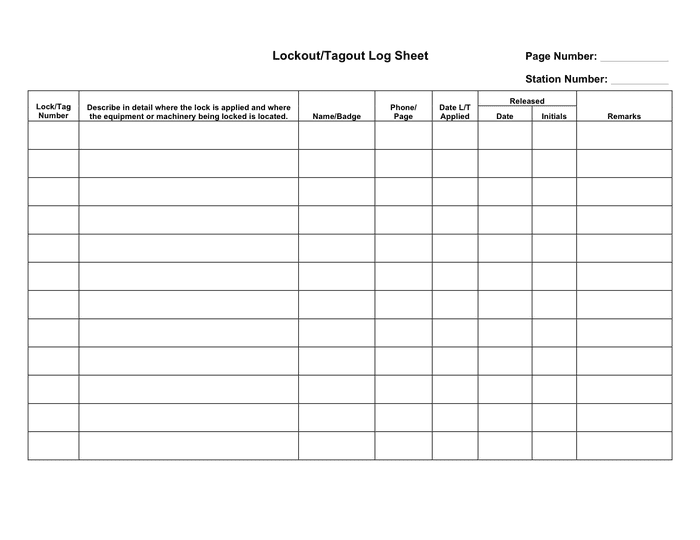
Best practices: - Use a standardized form (digital or paper) with fields for date, topic, attendees, hazards, actions. - Collect signatures—not as a checkbox, but as confirmation of understanding. - Store records centrally—accessible to supervisors and safety officers. - Review trends monthly—are the same hazards coming up? That’s a training gap.
Digital tools like SafetyCulture (iAuditor), SiteDocs, or Procore streamline this. They allow photo uploads, real-time reporting, and audit trails. But even a simple printed sheet works—if it’s used consistently.
Integrating Toolbox Talks Into Daily Workflow
The best safety cultures don’t “do” toolbox talks—they live them.
Embed them by: - Assigning rotating facilitators—empowers workers and builds ownership. - Tying topics to the daily work plan—if welding’s on the schedule, talk about fire watches. - Starting meetings with a safety win—“Great job reporting that loose cable yesterday, Mark.” - Keeping it short, visual, and hands-on—show a damaged harness, don’t just describe it.
Example: A warehouse team holds a 7-minute talk before loading trucks. Topic: securing loads. They walk to a trailer, point out uneven stacking, and correct it together. That’s applied learning.
5 Proven Topics for Your Next Toolbox Talk
Use these high-impact topics—each tied to real-world risk scenarios.
| Topic | Why It Matters | Real-World Use Case |
|---|---|---|
| Ladder Safety | 20% of fall injuries involve ladders | Inspect extension ladders before roof access |
| Hand Tool Hazards | Damaged tools cause cuts, sparks, slips | Review grinder guard integrity before use |
| Slips, Trips, and Falls | Leading cause of non-fatal injuries | Clear debris from walkways after delivery |
| Heat Stress Awareness | Critical in summer or enclosed spaces | Monitor hydration, schedule shade breaks |
| Emergency Response | Panic spreads without a plan | Confirm first aid kit location and responder |
Rotate through these based on season, task, and incident trends.
Closing the Loop: From Talk to Action
A toolbox talk isn’t complete when the team walks away. It’s complete when risks are reduced.
After each session: - Assign action items with owners and deadlines. - Verify follow-up (e.g., “Was that guardrail fixed?”). - Share outcomes in the next meeting: “Last week, we talked about glove use. Inspections show 95% compliance—great progress.”
This builds trust and shows workers their input matters.
An example of a toolbox talk isn’t just a script. It’s a safety lever—one that, when pulled correctly, prevents injuries, strengthens culture, and keeps teams alert. Use the example above, avoid common mistakes, and make every minute count.
Start tomorrow: pick one high-risk task, gather your crew, and lead a talk that sticks. Not because you have to—but because it’s the difference between going home safe or not.
FAQ
What should you look for in Example of Toolbox Talk for Workplace Safety Teams? Focus on relevance, practical value, and how well the solution matches real user intent.
Is Example of Toolbox Talk for Workplace Safety Teams suitable for beginners? That depends on the workflow, but a clear step-by-step approach usually makes it easier to start.
How do you compare options around Example of Toolbox Talk for Workplace Safety Teams? Compare features, trust signals, limitations, pricing, and ease of implementation.
What mistakes should you avoid? Avoid generic choices, weak validation, and decisions based only on marketing claims.
What is the next best step? Shortlist the most relevant options, validate them quickly, and refine from real-world results.