Workers are injured every year during equipment servicing—not because machinery fails, but because energy isn’t properly controlled. The root cause? Misunderstanding or misapplying lockout tagout (LOTO). Despite being a cornerstone of industrial safety for decades, confusion still surrounds basic LOTO principles, implementation, and compliance. This guide cuts through the noise with direct, practical answers to the most critical lockout tagout questions and answers professionals face daily.
What Is Lockout Tagout and Why Does It Matter?
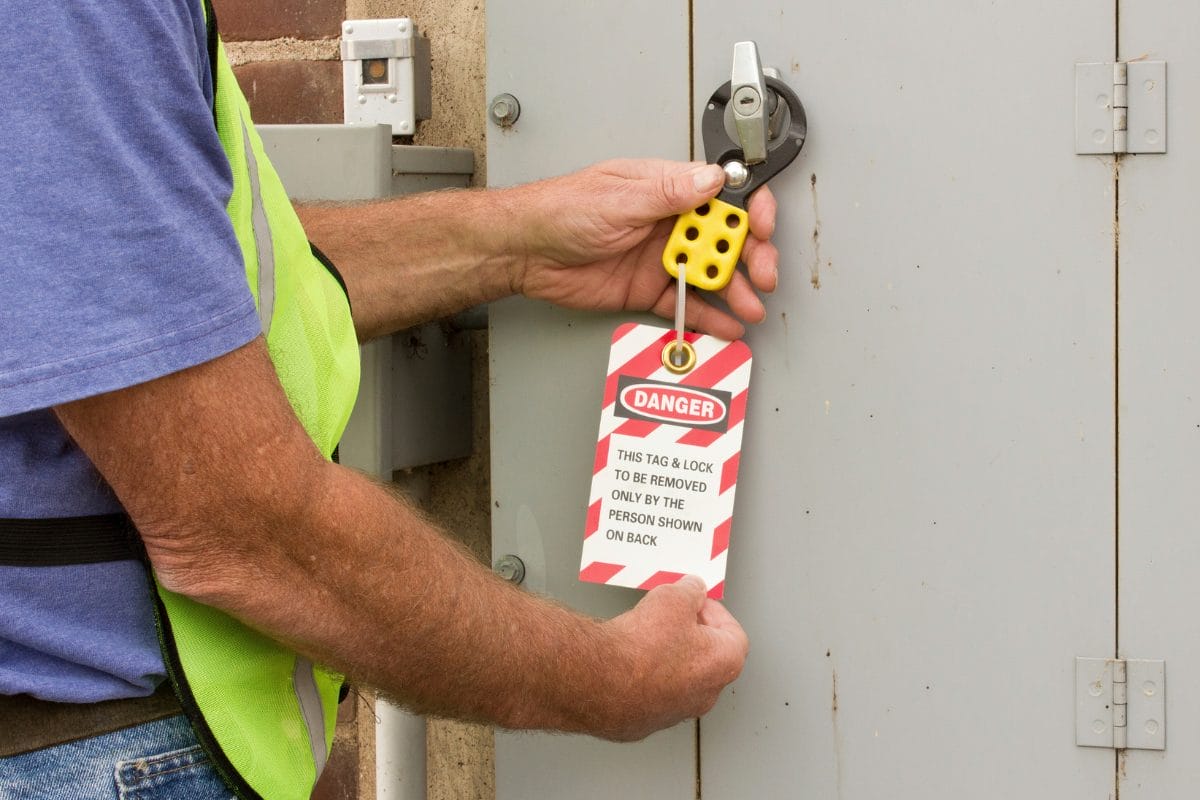
Lockout tagout is a safety procedure used to ensure machines or equipment are isolated from all energy sources before maintenance or servicing. "Lockout" refers to physically securing energy-isolating devices—like circuit breakers or valves—with a lock. "Tagout" involves placing a warning tag on the lock to inform others that the equipment is unsafe to operate.
The purpose is simple: prevent unexpected energization, startup, or release of stored energy that could harm workers.
Consider this real-world scenario: A technician services a conveyor belt without locking out the motor. A coworker, unaware of the maintenance, restarts the system from a control panel. The result? Severe injury. LOTO exists to prevent exactly this.
OSHA standard 29 CFR 1910.147 mandates LOTO procedures across general industry, making compliance not just best practice—but legal obligation.
Who Is Responsible for Implementing LOTO?
Responsibility isn’t limited to safety officers or supervisors. LOTO roles are clearly defined:
- Authorized Employees: Those who physically lock out machines and perform servicing. They must be trained in recognizing energy sources and applying isolation procedures.
- Affected Employees: Workers who operate or use equipment but don’t service it. They need awareness-level training to understand why LOTO is in place and not bypass it.
- Employers: Accountable for developing written LOTO programs, providing locks/tags, training employees, and conducting annual audits.
A common mistake? Assuming a single person can cover both roles. In reality, an authorized employee must never perform LOTO for equipment they also operate daily without proper procedural separation. This creates risk of complacency and missed steps.
Example: A machine operator who also performs minor maintenance must follow the full LOTO protocol—even if it’s “just a quick fix.”
What Are the Key Steps in a LOTO Procedure?
A successful LOTO process follows six core steps. Skipping any increases risk dramatically.
- Preparation: Identify all energy sources (electrical, hydraulic, pneumatic, thermal, gravity, etc.) and the correct isolation points.
- Notification: Inform affected employees that shutdown and LOTO are about to occur.
- Shutdown: Turn off the equipment using normal stopping procedures.
- Isolation: Disconnect or isolate all energy sources (e.g., flip breakers, close valves).
- Application of Locks/Tags: Attach personal locks and tags to each isolation point. Use group locks if multiple workers are involved.
- Verification: Attempt to restart the machine (with safeguards in place) to confirm zero energy. This is the most overlooked but most critical step.
Failure often happens at verification. Workers assume a switch is off without testing. Stored energy—like a pressurized line or a flywheel’s momentum—can still be lethal.
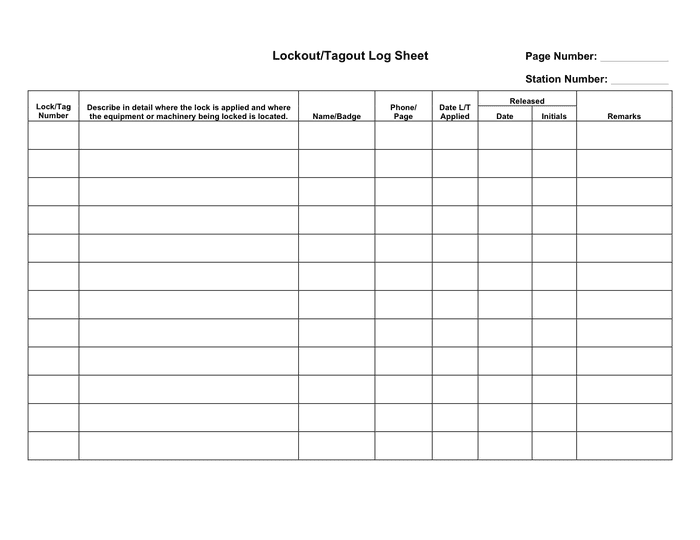
Tip: Always use a checklist. A standardized LOTO form ensures no step is missed, especially under time pressure.
Can Tagout Be Used Without Lockout?
Yes—but with limitations.

Tagout relies solely on warning tags, not physical locks. OSHA allows it only when energy-isolating devices cannot be locked out. However, tagout introduces higher risk because tags can be ignored, removed, or deteriorate.
To use tagout alone, employers must implement additional safety measures, such as: - Immediate removal of circuit elements (e.g., fuse pulls) - Removal of valves or blind flanges - Use of detachable hard sleeves over valve handles
Even then, tagout should be a temporary solution until lockout capability is engineered in. Relying on tags alone for high-energy systems—like large presses or chemical reactors—is a liability.
Bottom line: If you can lock it, you must. Tagout is not a compliance shortcut.
Common LOTO Mistakes That Lead to Injuries
Even experienced teams make critical errors. The most frequent include:
- Using master or shared locks: Personal locks only. A shared lock means accountability is diluted.
- Skipping group LOTO protocols: Multiple workers on one machine? Each must apply their own lock.
- Failing to control stored energy: Springs, capacitors, elevated parts—all must be drained or blocked.
- Ignoring procedural updates: When equipment changes, so must the LOTO procedure.
- Poor lock management: Lost keys, unlabeled locks, or lack of lockout kits slow response and increase risk.
Case study: A plant worker was injured when a hydraulic press released stored pressure. The technician had locked the main valve but didn’t bleed the accumulator. Stored energy was the culprit—preventable with proper procedure.
Pro tip: Conduct surprise LOTO audits. Watch how employees actually perform the process, not just how they say they do.
How Often Should LOTO Training Be Updated?
Initial training is required before an employee becomes authorized. After that, OSHA mandates refresher training at least once per year.
But annual training isn’t enough if: - Procedures change - Equipment is modified - An employee demonstrates a knowledge gap - An audit reveals noncompliance
Effective training includes both classroom instruction and hands-on practice. Employees should perform a live LOTO on actual equipment under supervision.
Also, training records must be maintained. During an OSHA inspection, you’ll need to show who was trained, when, and what was covered.
One overlooked area: shift changes. If night-shift workers rarely interact with day-shift safety meetings, they may miss updates. Use digital logs or sign-in sheets to ensure coverage.
What Equipment Requires LOTO?
Any machine or system with hazardous energy during servicing requires LOTO. Common examples include:
- Conveyor systems
- Presses and punch machines
- Boilers and steam lines
- Electrical panels and switchgear
- Pumps and compressors
- Robotic cells
But it’s not just large machinery. Even seemingly minor equipment—like a tabletop drill or packaging sealer—can pose risks if not properly isolated.
Rule of thumb: If servicing requires bypassing guards, reaching into danger zones, or adjusting moving parts, LOTO applies.
Exception: Minor tool changes or routine lubrication that occur during normal production may be exempt under the “minor servicing” exception—but only if the work is routine, repetitive, and integral to production. Many companies misapply this loophole. When in doubt, lock it out.
How to Audit and Improve Your LOTO Program
An audit isn’t just a compliance checkbox—it’s a live safety diagnostic.
Conducting an effective LOTO audit involves:
- Review written procedures: Are they up to date? Clear? Accessible?
- Observe actual lockout events: Do employees follow steps correctly?
- Inspect lockout devices: Are locks durable, standardized, and employee-controlled?
- Verify training records: Are all authorized employees current?
- Test tag durability: Do tags withstand environmental conditions (heat, moisture, etc.)?
Use a scoring system: 0–100, with action items for scores below 85.
One plant reduced LOTO violations by 70% after switching to color-coded locks by department and adding QR codes to tags that linked to digital LOTO instructions.
Improvement isn’t about perfection—it’s about consistency and accountability.
What to Include in a Written LOTO Program
OSHA requires a documented energy control program. At minimum, it must include:
- Scope and purpose
- Procedural steps for each machine or equipment group
- List of authorized and affected employees
- Lockout device specifications (types, colors, durability)
- Training requirements
- Periodic inspection procedures
- Group lockout protocols
- Exception handling (e.g., shift changes, contractors)
Procedures should be machine-specific, not generic. “Lock out the press” is too vague. Instead: “Isolate main disconnect (Panel A2), apply lock #7, verify no voltage with multimeter.”
Keep procedures near the machine—on a laminated card, tablet, or wall mount. Digital systems with access control are gaining traction in modern facilities.
Final Thoughts: LOTO Isn’t Bureaucracy—It’s a Lifesaver
Lockout tagout is one of the most effective workplace safety practices ever codified. Yet it’s often treated as a compliance burden rather than a vital protection layer. The difference between a close call and a fatality often comes down to one person following every step—every time.
Treat LOTO like a non-negotiable ritual. Standardize it. Audit it. Refine it. And never assume familiarity removes risk.
Start today: Grab a checklist, shadow a maintenance cycle, and verify every lock, tag, and verification step. Safety isn’t built in moments of crisis—it’s built in the quiet, consistent acts of prevention.
Frequently Asked Questions
What is the difference between lockout and tagout? Lockout uses a physical lock to prevent equipment activation, while tagout uses a warning tag. Lockout is preferred; tagout is allowed only when locking isn’t feasible.
Who can remove a LOTO lock? Only the authorized employee who applied the lock may remove it, unless under an emergency removal procedure with documented steps and approval.
Does OSHA require LOTO for corded plug equipment? Yes, if the plug is within the employee’s exclusive control and visible, unplugging may be sufficient—provided no other energy sources exist.
Can multiple people work on the same machine under LOTO? Yes, using a group lockout box. Each worker applies their personal lock to the box, which holds the primary lockout device.
What happens if a worker is absent and their lock remains? The lock may be removed by authorized personnel following a documented procedure, including verification that the employee is not present and the machine is safe to re-energize.
Are contractors required to follow a site’s LOTO procedures? Yes. The host employer must ensure contractors are trained and comply with on-site LOTO protocols, or follow their own equivalent program under coordination.
Do robotic systems need LOTO? Absolutely. Robots often have multiple energy sources (electrical, hydraulic, pneumatic) and can move unpredictably during maintenance—LOTO is essential.
FAQ
What should you look for in Lockout Tagout Questions and Answers You Need to Know? Focus on relevance, practical value, and how well the solution matches real user intent.
Is Lockout Tagout Questions and Answers You Need to Know suitable for beginners? That depends on the workflow, but a clear step-by-step approach usually makes it easier to start.
How do you compare options around Lockout Tagout Questions and Answers You Need to Know? Compare features, trust signals, limitations, pricing, and ease of implementation.
What mistakes should you avoid? Avoid generic choices, weak validation, and decisions based only on marketing claims.
What is the next best step? Shortlist the most relevant options, validate them quickly, and refine from real-world results.